How to Replace Your Lawn: Native Landscape Design Principles for Any Size Property
Design notes · October 12, 2026
Replacing lawn with native plants has real benefits, but a successful native landscape takes more than choosing plants. Here are the design principles that make it work.
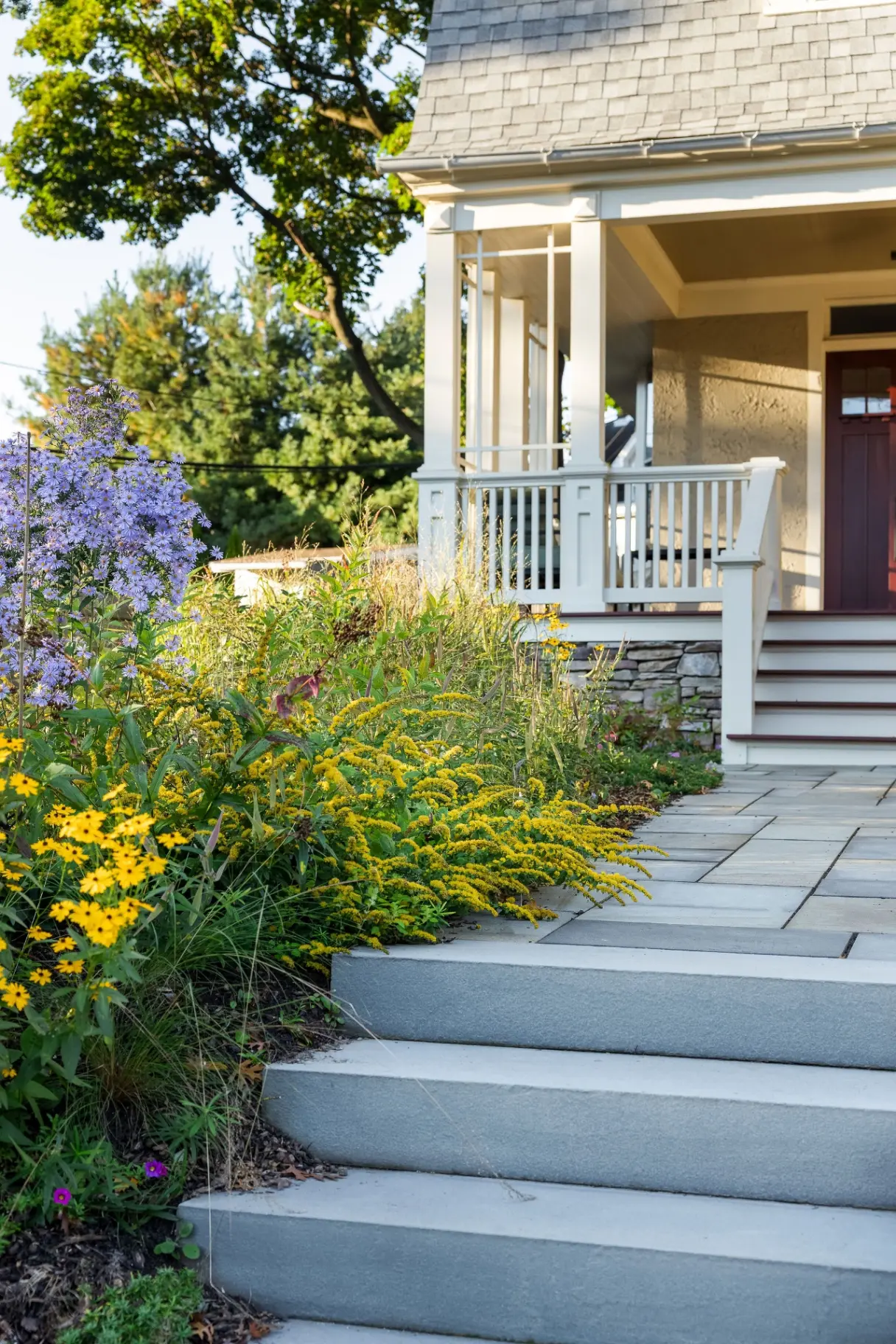
Replacing lawn with native plants has real benefits. It can reduce the area that needs regular mowing, support local wildlife, and bring more seasonal interest to a property. But a successful native landscape takes more than choosing plants because they grow naturally in our region. The plants also need to suit the space, complement the architecture, and work together as a cohesive design.
At Union Landscape Design, we believe the same timeless principles that make any landscape beautiful apply just as much to native gardens: layering, repetition, variety, symmetry, and an understanding of scale. When these principles come together, a landscape can feel wild and dynamic without looking overgrown or out of place in the surrounding neighborhood.
A Native Landscape, Designed With Intention
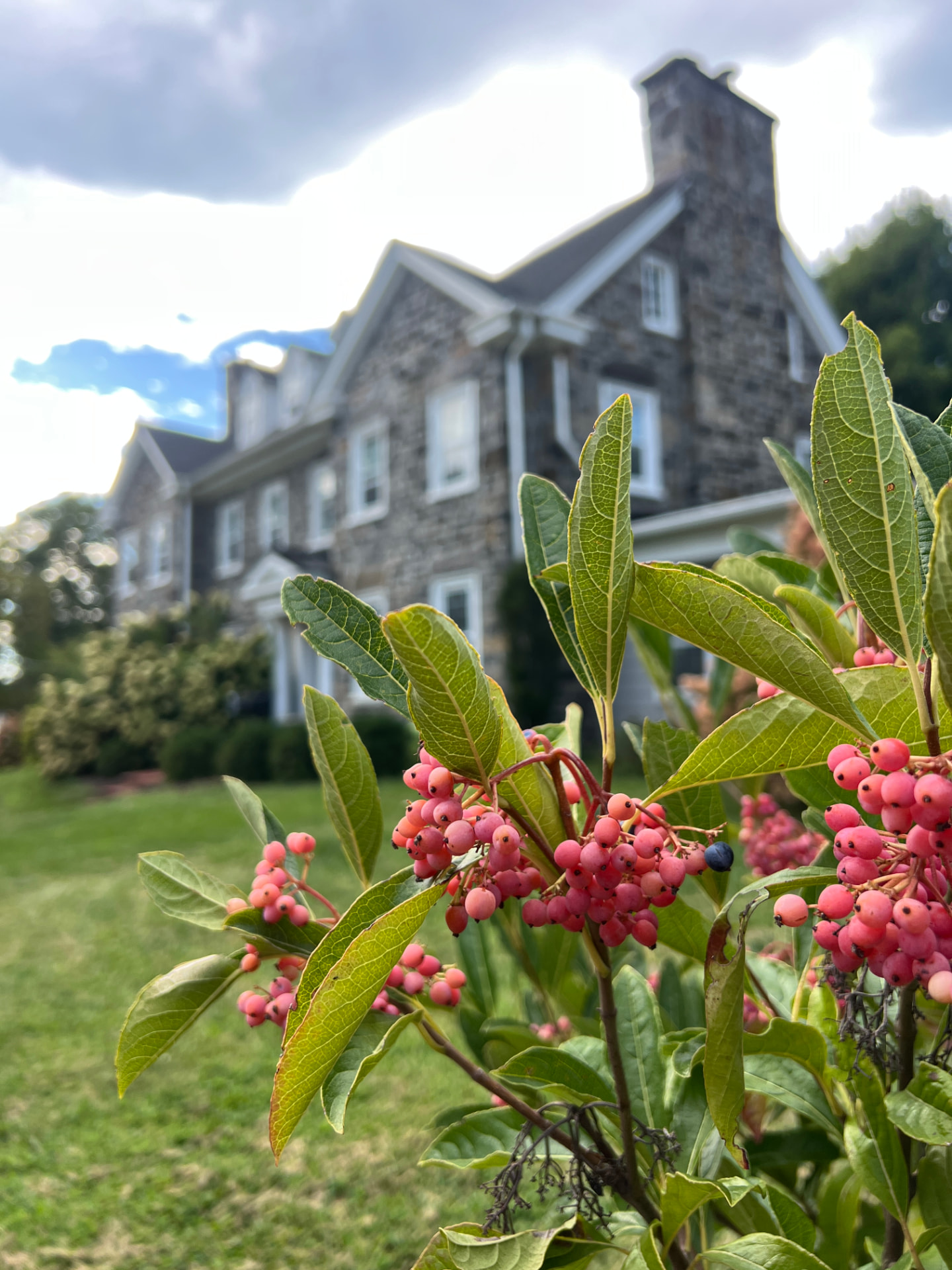
Our Haverford project is a good example of this approach. The landscape is composed entirely of native plants, but the planting is organized with a clear sense of structure and proportion.
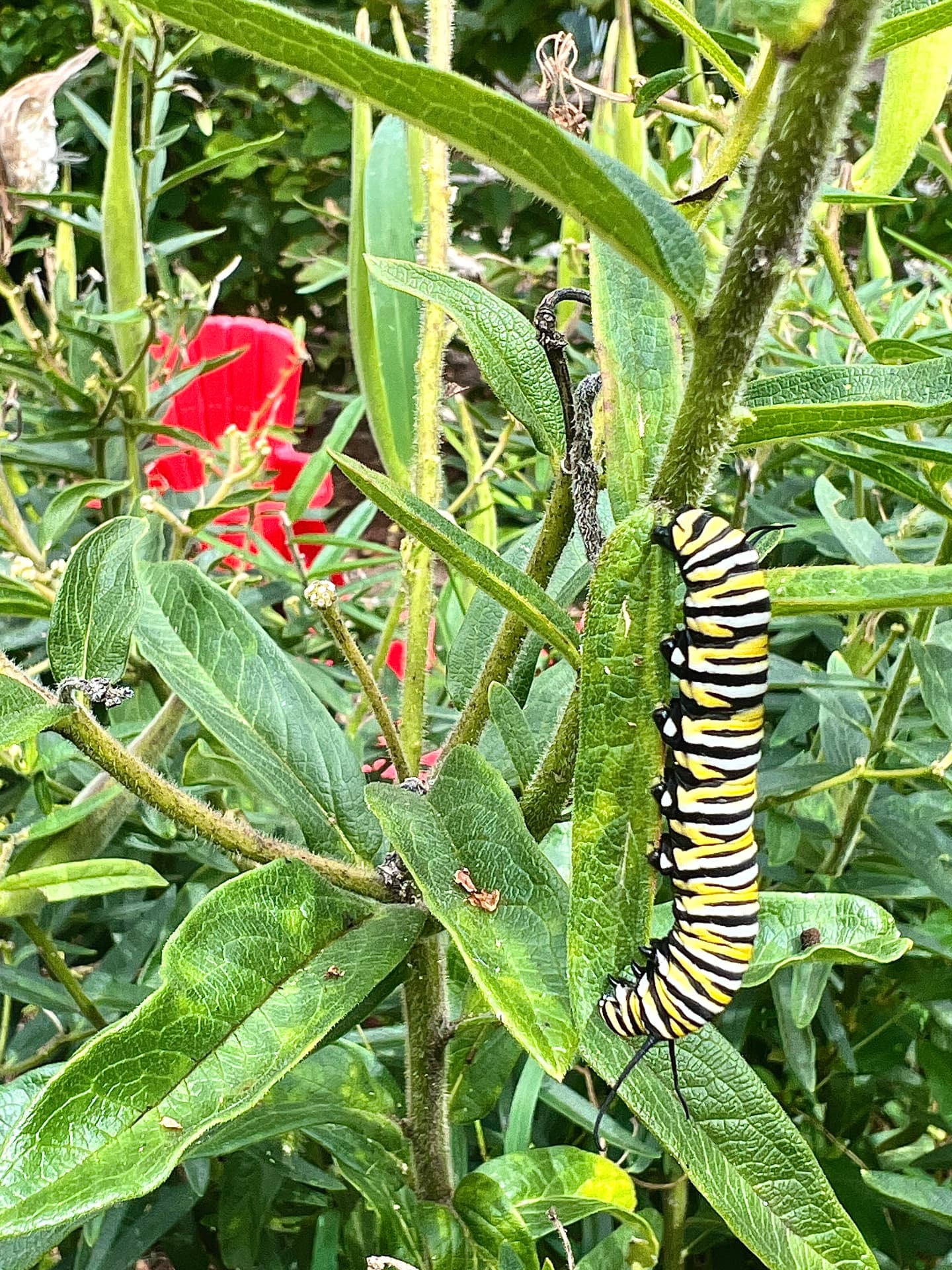
Lower-growing plants, including Creeping Phlox and Golden Fleece Goldenrod, frame the edges of the beds. From there, medium-height perennials such as Coreopsis, Butterfly Milkweed, Husker Red Penstemon, and Amsonia ‘Grande’ build toward taller layers of Bluebird Aster and Pink Muhly Grass.
This progression creates depth and variety while keeping the planting in scale with the surrounding space. Repeated plants establish rhythm and continuity, while differences in foliage, flower color, texture, and height give the landscape its natural, changing character.
The result feels full of life without feeling uncontrolled. It supports wildlife while complementing the home and the neighborhood around it.
The Right Plant in the Right Place
One common problem we see in native landscapes is that the decision to use plants native to our region takes precedence over the design considerations of how those plants will look and function in a particular setting.
A plant may be perfectly suited to our region but still be too tall, too wide, or too loose in its growth habit for the space where it is planted.
Sidewalks and pathways are a good example. Taller perennials may look beautiful in dry weather, but after heavy rain, their stems can become weighed down and flop into walking areas. That creates an unnecessary obstacle for people passing by.
Fortunately, there are plenty of beautiful, lower-growing native plants that can frame a bed, define an edge, and lead the eye toward taller perennials farther into the planting. Height has its place, and a well-designed landscape makes sure it is enjoyed where there is room for it.
The opposite problem is also common: too few plants, leaving large areas of mulch between isolated groupings. Plants need enough room to mature, but they should also be arranged with their eventual size and character in mind. With thoughtful spacing, they can grow together, cover the ground, and create the layered composition the design calls for.
A Better Landscape, With the Benefits of Native Plants
Replacing lawn doesn't mean giving up a sense of order or embracing an overgrown look. It means rethinking how the space can function and look throughout the seasons.
When plant selection, spacing, repetition, layering, and scale are considered together, native landscapes can be colorful, dynamic, and welcoming. They can reduce lawn area, support wildlife, and create a more interesting landscape without sacrificing the appearance of a well-designed home.
This is the approach we take at Union Landscape Design: creating landscapes that are beautiful first, thoughtfully suited to their surroundings, and made even more rewarding by the native plants they contain.
We would love to bring that approach to your property.