Elegance Meets Ecology: Why Native Landscapes Belong on the Main Line
Design notes · October 30, 2026
When native plants are curated using timeless design principles—thoughtful repetition, consideration of scale, strategic layering, and multi-season interest—the result is an elegant, structured outdoor space that enhances your home's curb appeal while actively supporting local wildlife.
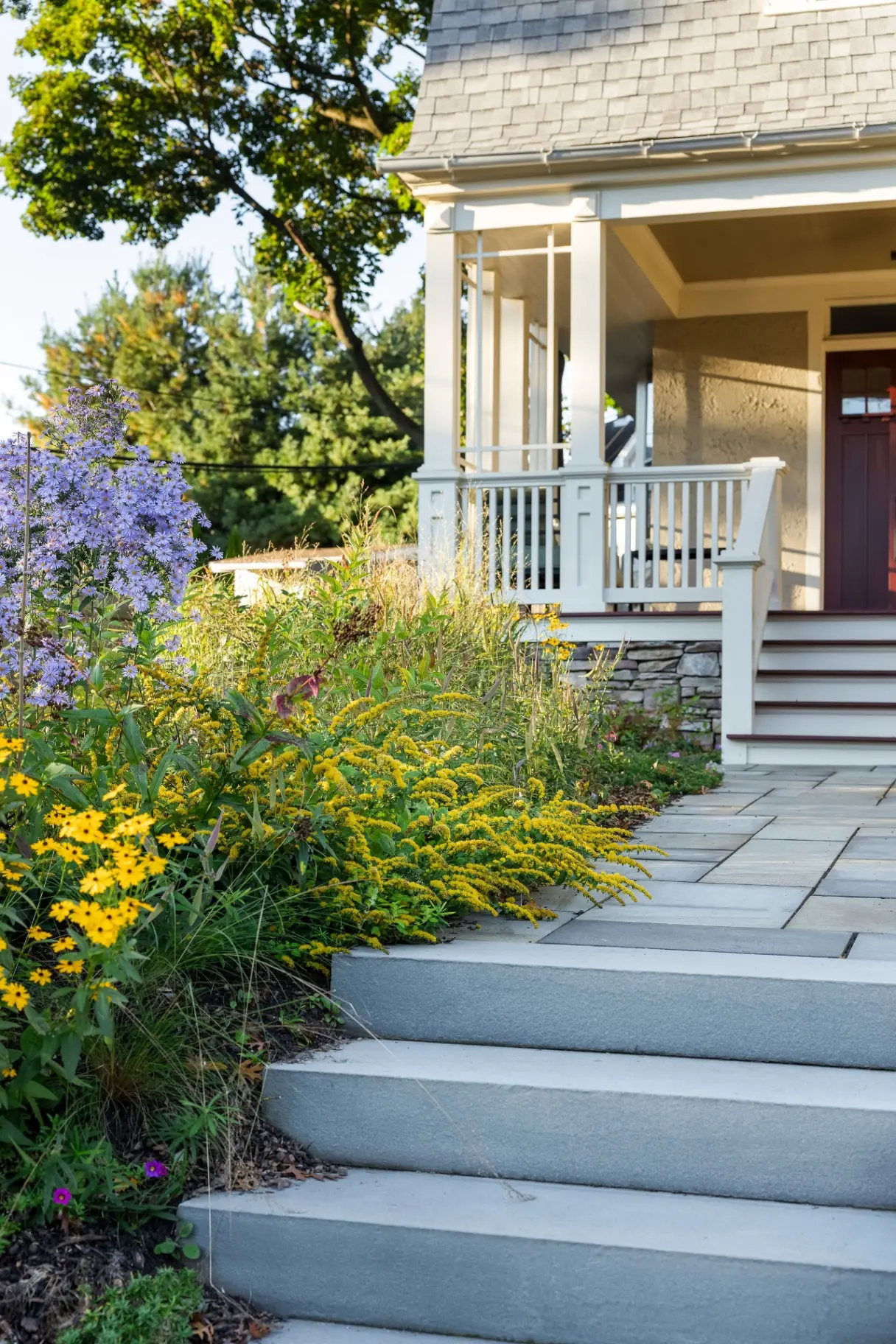
There is a common misconception that choosing an ecologically friendly, native landscape means sacrificing the refined aesthetic of your home. Many homeowners assume that planting for wildlife requires letting the yard "go wild"—resulting in an overgrown, chaotic look that feels out of place among the traditional architecture, historic stone, and manicured properties of the Main Line.
The truth is that ecological landscapes don't have to look untamed.
When native plants are curated using timeless design principles—thoughtful repetition, consideration of scale, strategic layering, and multi-season interest—the result is an elegant, structured outdoor space that enhances your home's curb appeal while actively supporting local wildlife.
1. Grounding Native Ecology in Classical Design
Bringing a native garden into complete visual harmony with a Main Line property comes down to spatial arrangement and structure.
Intentional Repetition: Planting in sweeping, repeated drifts rather than single, scattered specimens creates clean lines and visual rhythm.
Proportion & Scale: Pairing taller structural shrubs with low-growing groundcovers anchors your garden beds to the home's architecture.
Layering & Texture: Grouping plants by height and leaf form produces a lush, continuous carpet that suppresses weeds naturally while framing bluestone walkways and patios.
2. High-Impact Native Workhorses with Multi-Season Appeal
By selecting native species that do double or triple duty throughout the year, your garden maintains sophisticated structure and continuous aesthetic appeal.
Creeping Phlox (Phlox subulata or Phlox stolonifera): Ideal for framing bluestone walkways and stone borders. It delivers a vibrant burst of spring blooms, then transitions into a dense, evergreen carpet with a succulent-like texture that keeps soil covered year-round.
Eastern Bluestar (Amsonia tabernamontana): A low-maintenance, deer- and rabbit-resistant perennial workhorse. Soft sky-blue flowers emerge in spring, followed by feathery summer foliage that transforms into a glowing, electric gold come autumn.
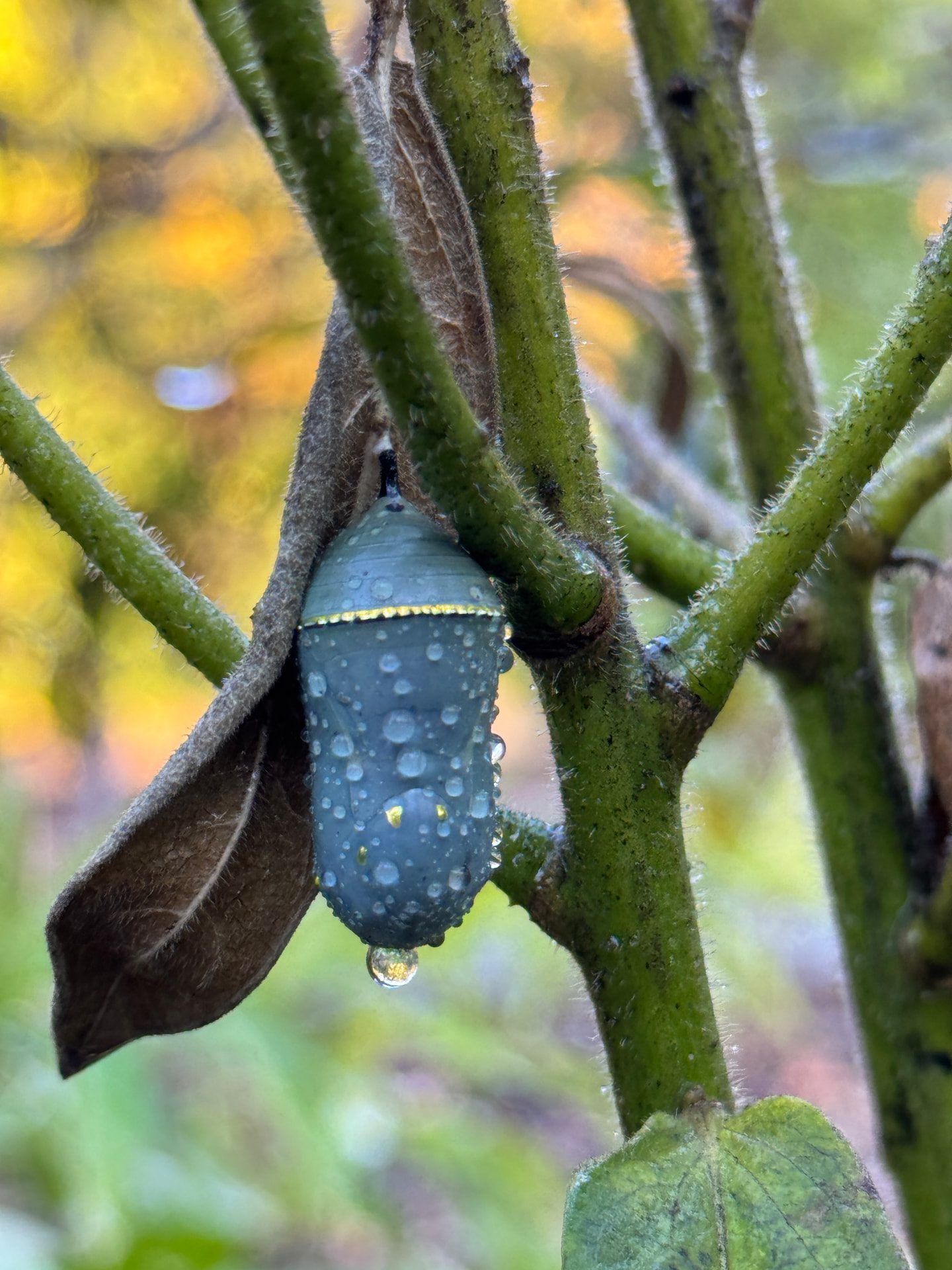
Butterfly Milkweed (Asclepias tuberosa): Compact, tidy, and vibrant. Its bright tangerine-orange summer flowers add a jewel-tone pop to sunny borders while serving as an essential host plant for monarch butterflies.
3. Late-Season Color and Winter Architecture
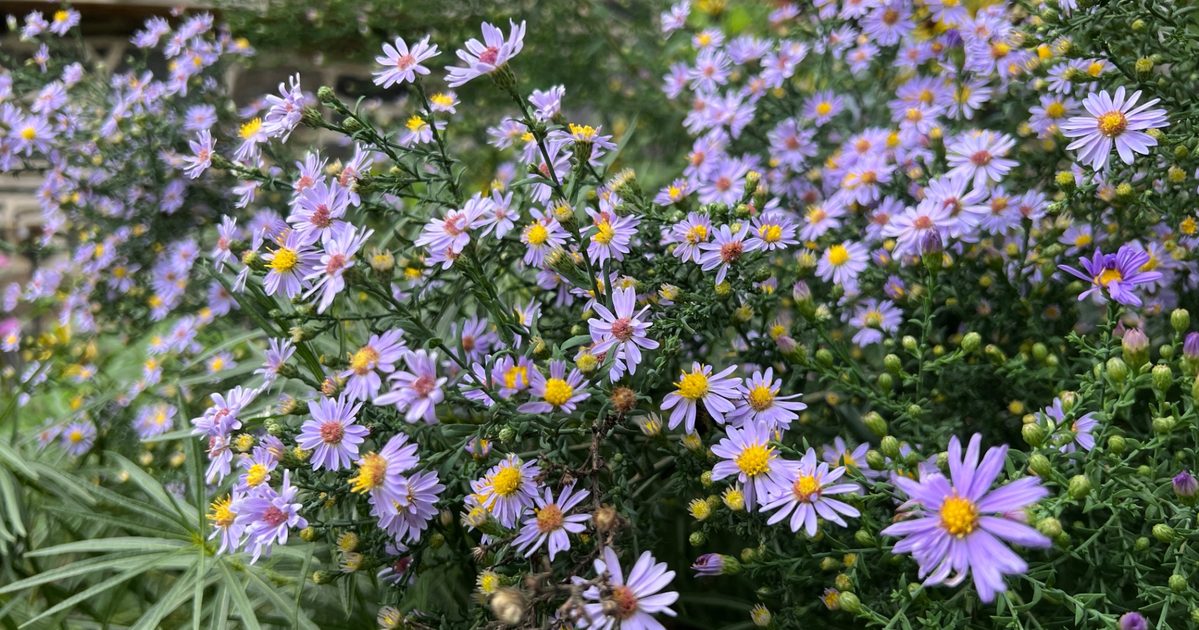
As the growing season winds down, late-bloomers like native Asters, Goldenrods, and Pink Turtlehead (Chelone lyonii) put on a massive final push, providing crucial late-season nectar for migrating butterflies and bees.
Rather than cutting the garden back to bare dirt at the first frost, leaving standing seed heads, dried grasses, and sturdy stems intact preserves vital food sources and winter shelter for songbirds and beneficial insects.
When guided by strong structural bones, a native landscape retains its elegance long after the last blooms fade. The dried silhouettes of perennials, arching grasses, and structural evergreens catch winter frost and snow, proving that a well-designed ecological garden looks sophisticated 365 days a year.
Support Wildlife Without Sacrificing Style
You don't have to choose between ecological responsibility and a beautiful home. By pairing Mid-Atlantic native plants with intentional landscape architecture, you can enjoy a low-maintenance, wildlife-rich sanctuary that elevates your outdoor living space and blends seamlessly into your neighborhood.
Ready to transform your property with a refined, ecologically driven design?
At Union Landscape Design, we craft custom native landscapes tailored to the unique beauty and site conditions of Main Line properties. Explore Our Portfolio or Contact Us Today to start planning your landscape transformation.