The Myth of the "Messy" Native Garden: Getting Ecological Benefits Without the Overgrown Look
Design notes · November 6, 2026
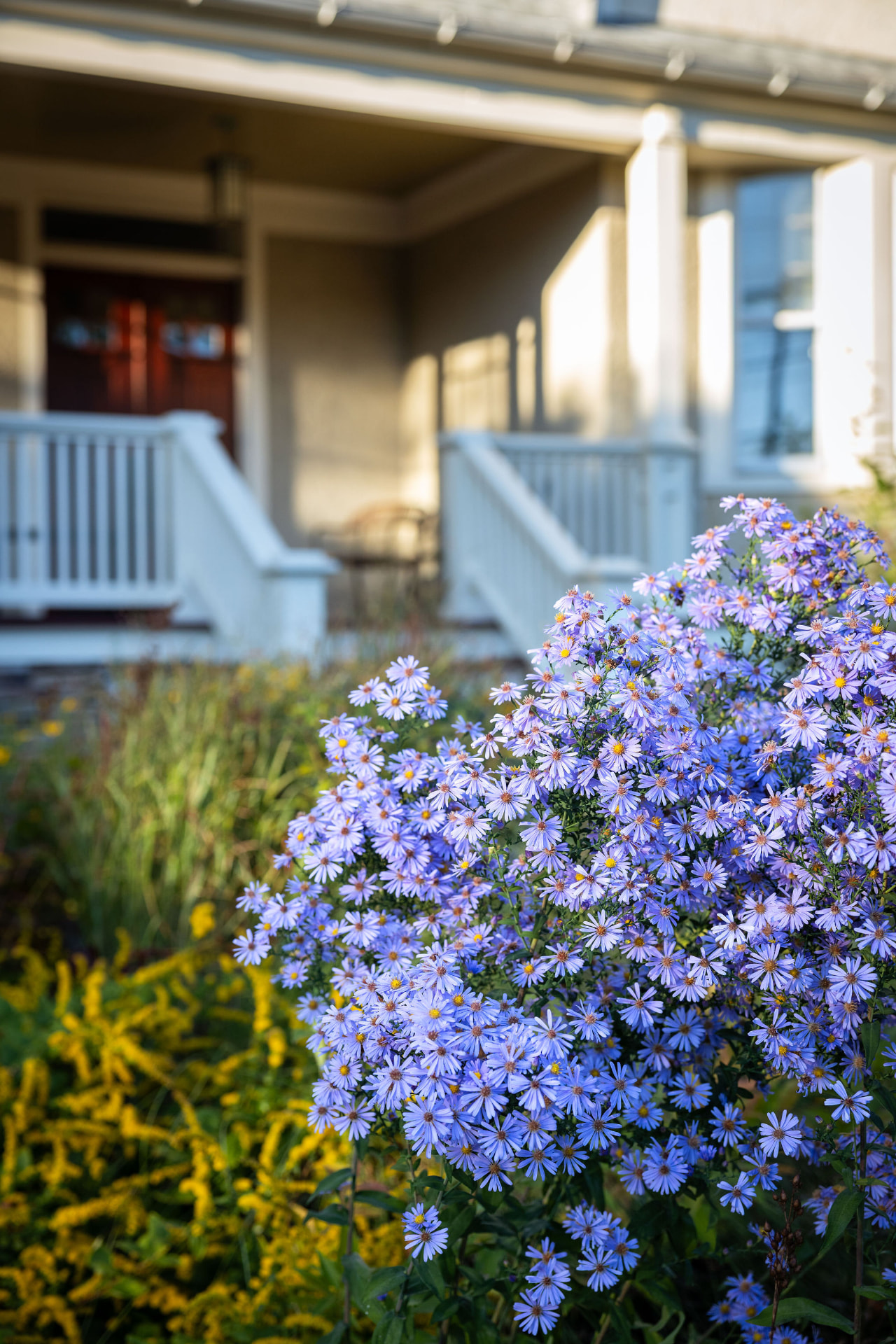
If you are hesitant to use native plants because you fear your yard will look messy, overgrown, or out of control, you are not alone.
You have likely been hearing a lot about the benefits of native plants. You know they support local pollinators, require less water, and build a healthier environment. But for discerning homeowners on the Main Line, picturing a "native landscape" often brings to mind a wild, unruly meadow that looks entirely out of place next to classic stone colonials and manicured suburban foundations.
If you are hesitant to use native plants because you fear your yard will look messy, overgrown, or out of control, you are not alone. Many homeowners want to do the right thing for the environment, but they also want to maintain the pristine, structured beauty of their properties. At Union Landscape Design, we understand the aesthetic standards of our established Main Line neighborhoods. The good news is that a landscape designed with native plants does not have to have a wild aesthetic. The messy look doesn't come from the plants themselves—it comes from a lack of intentional design.
Why Native Gardens Often Look Out of Control
The native plant movement has caused a surge of enthusiasm, but it has also created a common trap. Often, well-meaning homeowners or contractors will simply select a variety of ecologically beneficial plants and put them in the ground. Fast forward two years, and the yard looks less like a cultivated sanctuary and more like a chaotic weed patch.
The flaw is assuming that a landscape is inherently successful simply because the plants are native. When a landscape is just a combination of native plants put together without an underlying architectural strategy, it quickly loses its visual appeal and clashes with the elegant architecture of the surrounding neighborhood.
Taming the Wild with Classic Design Principles
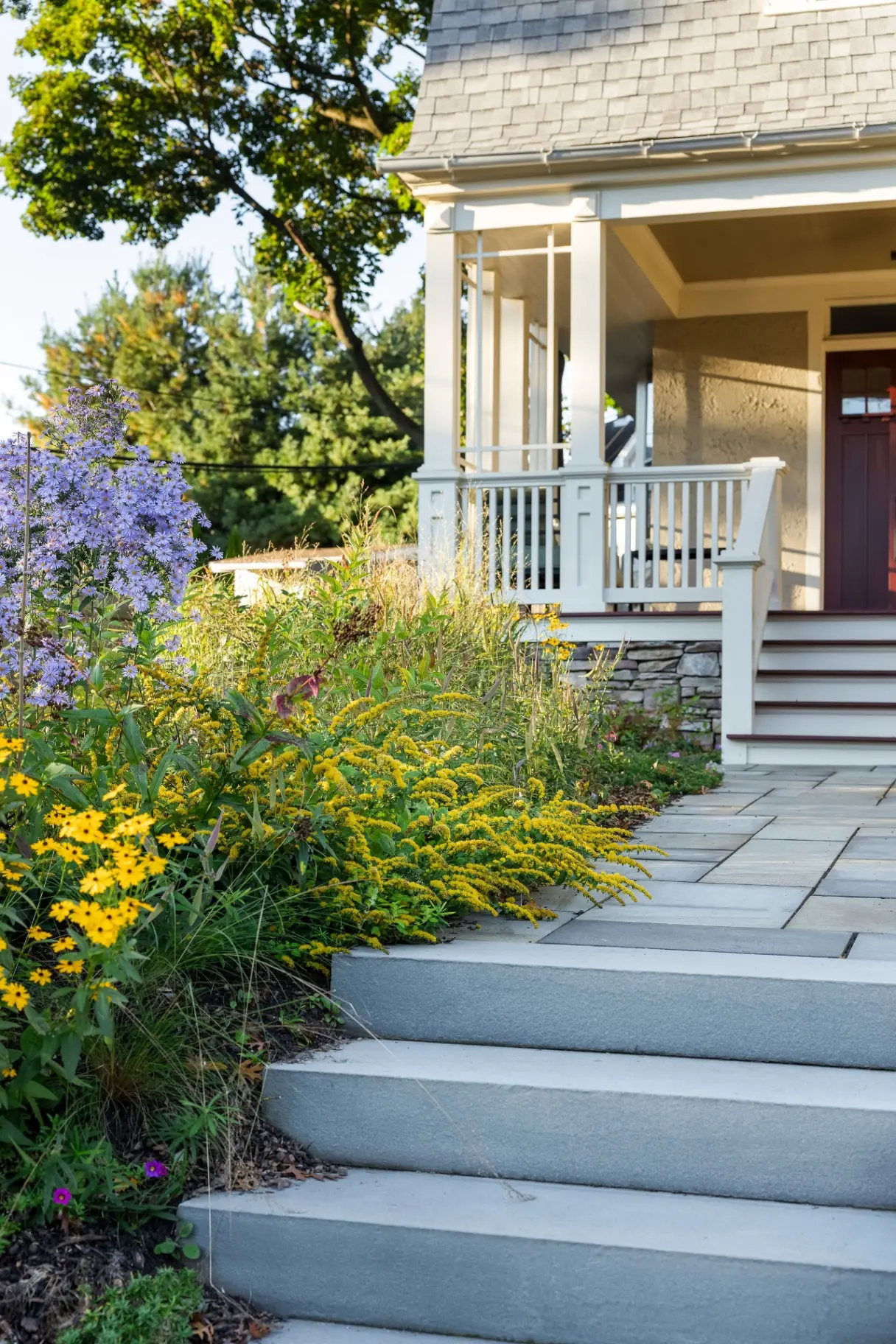
At Union Landscape Design, we have extensive experience making native landscapes work beautifully on Main Line properties. We believe that the origin of the plant dictates its ecological function, but classical design principles dictate its placement. To create a space that looks neat, structured, and deliberate, we organize native species using the exact same spatial strategies used in formal and contemporary gardens:
Symmetry and Balance: A wild meadow is beautiful in nature, but near a formal home, it often looks unkempt. We use structural native shrubs and trees to create clean visual weight, anchoring corners and framing entryways so the landscape feels deliberately tailored to the architecture of the house.
Repetition: Planting one of everything creates a chaotic botanical collection. Grouping native perennials in sweeping, orderly drifts or repeating structural elements throughout the property creates a cohesive, calming rhythm.
Layering and Edging: A successful design defines spaces clearly by transitioning smoothly from tall background plants down to clean, tidy borders. For example, we might use a tall, structural perennial like Phlox 'Jeana' in the rear for a wonderful spray of pink flowers all season. In the mid-ground, Asclepias tuberosa (Butterfly Weed) provides a beautiful mid-height pop of bright orange while actively supporting the monarch life cycle, layered with a lower perennial like Phlox 'Wanda' for continuous, reliable blooms. Finally, we establish crisp edges along the front border using 'Purple Beauty' Creeping Phlox, which delivers a stunning carpet of spring blooms and maintains a neat, evergreen presence year-round.
The Difference is in the Details
Many companies try to stand out by simply advertising "native landscapes," but they lack the design vocabulary to make those landscapes function as beautiful, tidy outdoor living spaces that meet Main Line standards.
| Feature | A Native Plant Collection | A Designed Native Landscape |
|---|---|---|
| Visual Structure | Haphazard placement based on available space. | Intentional grouping, sweeping drifts, and defined borders. |
| Winter Presence | Barren, flat, and messy once perennials die back in autumn. | Anchored by neat native evergreens, distinctive bark, and persistent berries. |
| Maintenance | High weeding required due to exposed soil and lack of layering. | Lower maintenance through dense, intentional ground-layer planting. |
| Aesthetic Goal | Checking an ecological box regardless of how it looks. | Enhancing the home's architecture while supporting the local ecosystem. |
Designing for the Forgotten Season: Winter Structure
The ultimate test of a structured landscape is how it looks in February. It is easy for a yard to look good in May when everything is blooming, but a poorly planned native garden often looks like a pile of dead sticks in the winter.
A high-quality native design actively balances seasonal floral displays with strong, permanent winter architecture. We love using Leucothoe, a lower-spreading native shrub, to provide a rich, tidy evergreen texture that anchors planting beds long after the perennials have gone dormant.
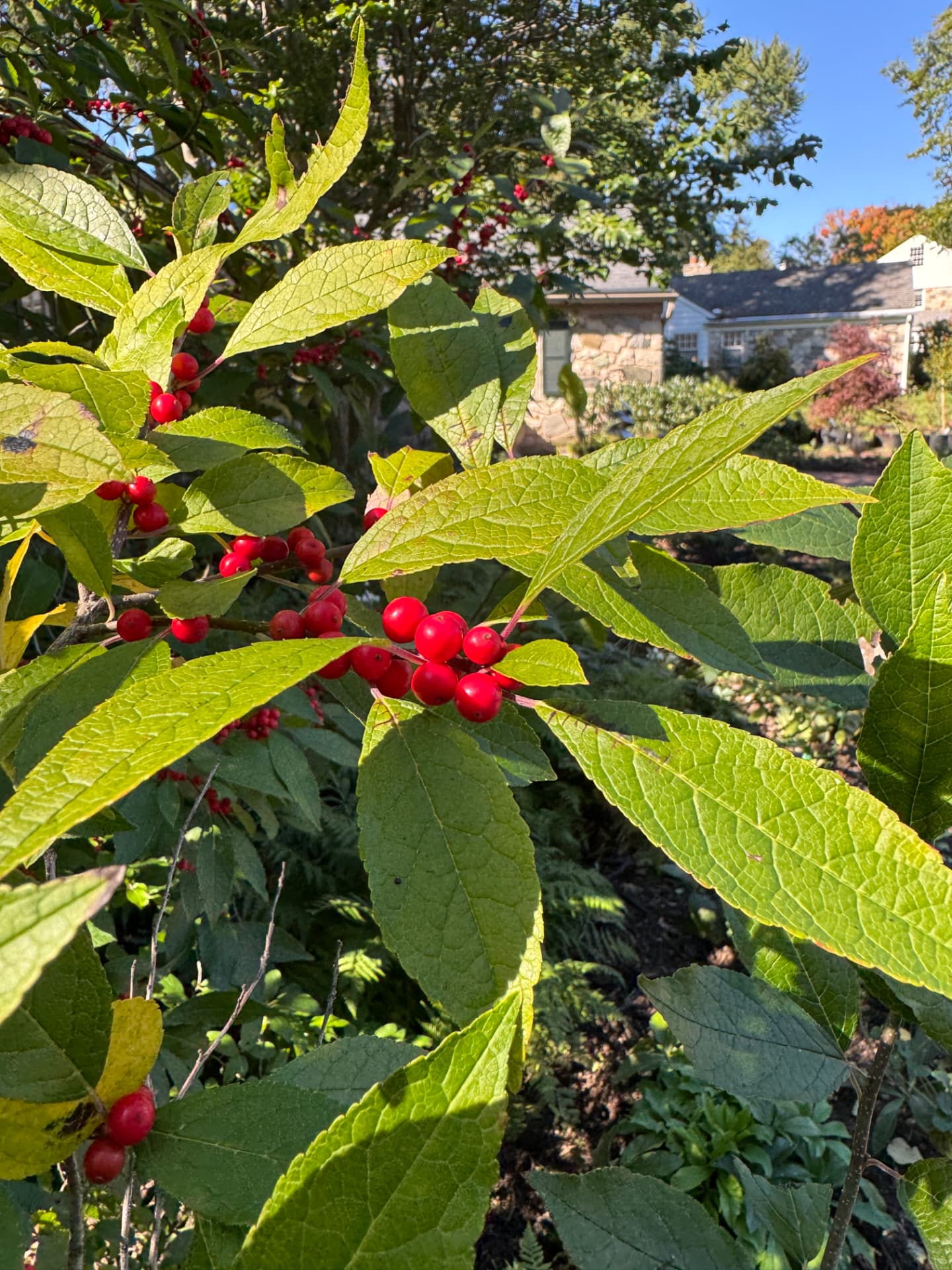
To truly light up the winter landscape, we deliberately incorporate deciduous shrubs with brilliant seasonal features. The striking, bright stems of Red Twig Dogwoods and the vibrant, persistent fruit of Winterberry hollies provide incredible pops of visual contrast against the snow. These selections ensure the garden remains vibrant and structured while continuing to feed overwintering birds.
Native plants are incredible tools for building resilient, environmentally responsible landscapes. But they are still just tools. By applying rigorous design principles—structure, repetition, crisp edging, and winter architecture—Union Landscape Design ensures your property doesn't just support the local ecology. It seamlessly complements the timeless character of the Main Line.